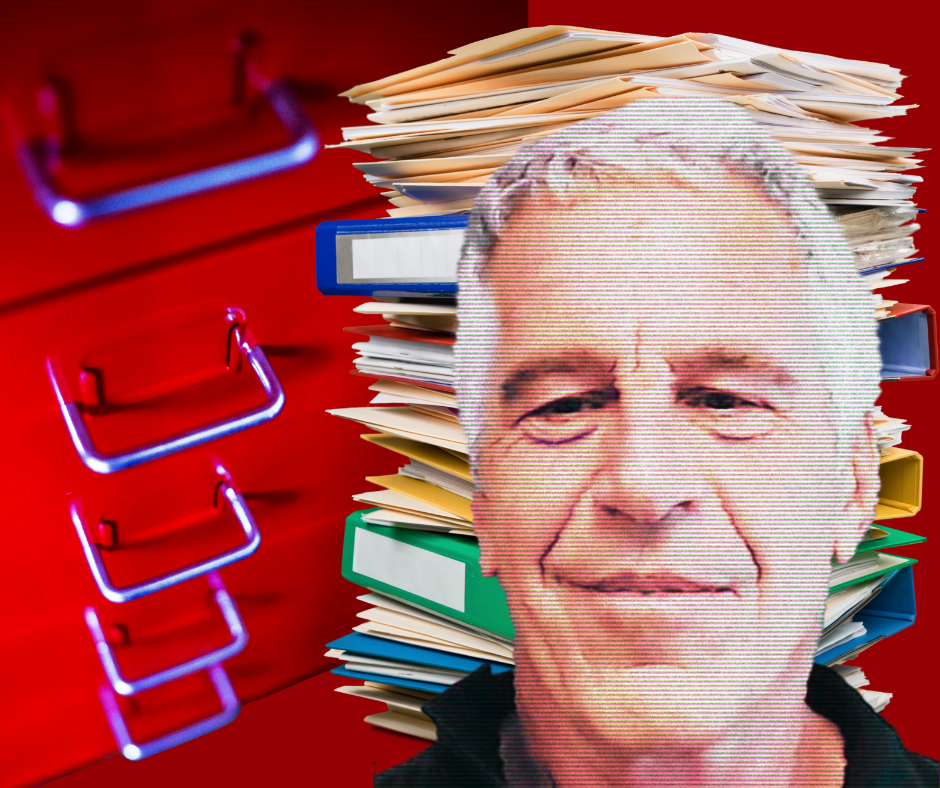
The latest release of the Epstein Files was billed as a major moment of transparency, yet what the public received was a confusing and poorly handled document dump that managed to overwhelm attention while exposing sensitive information that should never have been made public. The Department of Justice rushed thousands of pages online without proper redactions, allowed private victim details to circulate, and then hurriedly pulled large portions of the release back down once the damage was already done.
Rather than creating clarity, the DOJ created chaos. Americans were already worn down by years of revelations and zero consequences, and the added confusion finished off what little attention was left.
The Clintons have agreed to testify after refusing without any intelligible defense. https://t.co/mqa7a2112f The testimony follows the Clinton pattern of defiance and delay until they have no choice but compliance.
— Jonathan Turley (@JonathanTurley) February 3, 2026
As Americans struggled to make sense of what had been released and which documents were still available, Hillary Clinton and Bill Clinton announced they would agree to testify. The timing could not have been better for people who benefit from the public losing focus. Testifying is being framed as accountability, but in Washington, it often functions as a controlled closing act once outrage has cooled and attention has shifted elsewhere.
Transparency Theater From the Justice Department
The Justice Department wants credit for releasing the Epstein Files, but what it delivered looked more like a publicity stunt than a serious effort to inform the public. Dumping massive volumes of material all at once with no organization or explanation does not help citizens understand the scope of wrongdoing. It buries meaningful information under sheer volume while creating room for mistakes that conveniently distract from the substance of the documents themselves.
The exposure of victim information was not a minor error. It showed a reckless lack of care from an agency that claims to protect people and uphold justice. Instead of restoring trust, the DOJ confirmed what many Americans already believe, which is that government institutions are far more concerned with optics than with doing things properly. They had years to prepare for this and still managed to botch it.
The Clintons and the Illusion of Closure
The Clintons agreeing to testify is being sold as progress, yet history suggests that powerful figures rarely step into these situations when real consequences are looming. They cooperate when the scope is narrow, when the facts are already known, and when public outrage has started to fade.
Testifying at this stage allows them to appear cooperative while benefiting from a distracted audience that no longer has the energy to follow every development.
Washington has perfected the art of killing scandals by overwhelming the public with information, manufacturing confusion, and waiting for exhaustion to do the rest before rolling out carefully timed “cooperation.” The Clintons are not showing courage. They are walking into a process designed to bring closure without consequences.
Epstein Was a Connector, Not Just a Criminal
One of the most revealing parts of the Epstein Files is not any single allegation but the sheer number of powerful people who moved comfortably in Epstein’s orbit long after his crimes were known. The documents show emails, meetings, introductions, and social connections spanning politics, business, academia, and other elite circles.
Epstein was not operating in isolation. He was embedded within networks of influence.
That reality is uncomfortable because it exposes how small and interconnected elite circles truly are. It also explains why accountability has always seemed so elusive. When too many powerful people are connected to a scandal, the system tends to protect itself.
Scandal Fatigue Is Not an Accident
The public’s exhaustion is not accidental. It has become part of the modern scandal playbook, with institutions managing controversy by overwhelming people with massive amounts of information instead of offering clarity. Important details get buried under volume, confusion replaces focus, and the story quickly becomes too complicated for most people to follow.
Disorderly releases are then followed by hearings that drag on without real outcomes, creating the appearance of accountability while delivering none. Officials speak about transparency and cooperation as public attention steadily fades. What looks like progress is often just a slow fade into indifference.
This pattern is not a failure of the public. It is a system designed to wear people down. The goal is not accountability. The goal is fatigue, and it works every time.
The Real Fallout
The Epstein Files should have brought accountability, but instead delivered confusion, mishandled transparency, and another slow fade into public indifference. The Justice Department’s botched release buried the truth under disorder rather than exposing wrongdoing. The Clintons’ agreement to testify is not a breakthrough. It is the predictable final act of a scandal allowed to burn itself out. Big revelations no longer bring justice. They bring chaos, fatigue, and quiet endings that protect the powerful.
Feature Image: State of Florida, Public domain, via Wikimedia Commons/edited in Canva Pro