

Why the “Video Game War” Debate Is Happening
The internet has been arguing over a series of stylized videos about the recent strikes on Iran. The clips look more like animated presentations than traditional military footage, and critics say the video game style graphics make war feel like entertainment. The complaints are coming from multiple directions. Some liberals and Hollywood figures say the videos trivialize violence. Some conservatives simply think the cartoonish presentation feels wrong. The discomfort is understandable. But the controversy also points to something larger about the way war is communicated in the modern era.
UNDEFEATED. pic.twitter.com/Jt69bcag5y
— The White House (@WhiteHouse) March 12, 2026
JUSTICE THE AMERICAN WAY. 🇺🇸🔥 pic.twitter.com/0502N6a3rL
— The White House (@WhiteHouse) March 6, 2026
STRIKE. 💥🦅 pic.twitter.com/XMzNNtlT63
— The White House (@WhiteHouse) March 12, 2026
To hear some of the criticism online, you might think this is something completely new. War, people say, should never look like a video game. It should never feel cinematic or stylized. Military action is deadly serious and should be treated that way.
That instinct makes sense. War is not entertainment. People die. Cities are destroyed. Entire regions can be destabilized.
But if we step back for a moment, another question appears.
When has war ever been shown to the public without being packaged in some way?
War Has Always Been Edited for Public Viewing
Governments have never simply fought wars. They have always explained them, justified them, and presented them to the public in ways designed to shape public opinion.
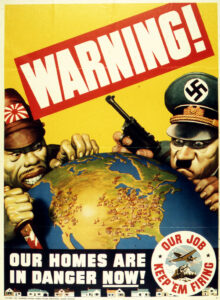
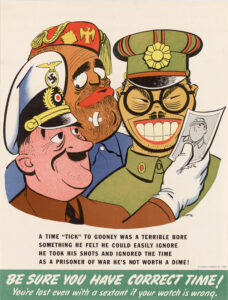
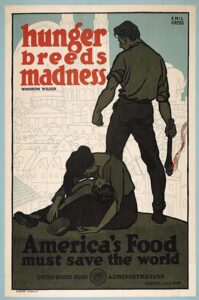
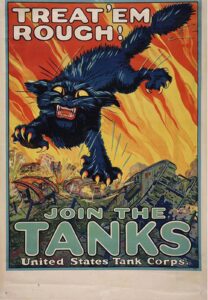
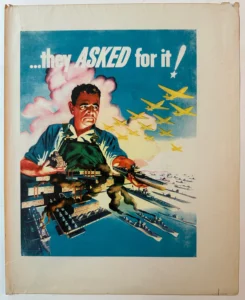
During World War I the United States flooded the country with recruitment posters and patriotic artwork. Images of heroic soldiers and proud flags appeared in newspapers, theaters, and public spaces. War bond campaigns encouraged Americans to financially support the fight. The messaging was emotional and persuasive by design.
World War II took that effort even further. Hollywood partnered with the government to produce documentaries and war films meant to rally support for the war effort. Newsreels shown before movies displayed carefully edited footage of Allied victories and heroic soldiers. The goal was clear. Build confidence, inspire patriotism, and maintain public support.
Vietnam changed the equation. For the first time Americans watched the war unfold on nightly television. Helicopters landing in jungle clearings and soldiers moving through villages appeared in living rooms across the country. The government had less control over how the war looked to the public. The result was a shift in public opinion that eventually helped bring the conflict to an end.
Every era has shaped how war is presented. The medium changes, but the effort to influence public perception remains.
War Doesn’t Look the Same in 2026
Another reason the current videos feel different is that warfare itself has changed.
A century ago war meant trenches, massive troop movements, and soldiers facing each other directly across battlefields. Combat was physical and immediate. Armies advanced across land and fought for territory mile by mile.
Modern warfare often looks very different.
Drone operators can launch strikes from thousands of miles away. Satellites guide precision weapons to specific targets. Intelligence teams watch live video feeds from aircraft circling high above a battlefield. Much of the decision-making happens in rooms filled with screens and digital maps.
In other words, war itself increasingly happens through monitors and targeting systems.
When military footage comes from that environment, it naturally resembles the digital displays people associate with video games. Crosshairs, coordinates, and camera feeds are not artistic choices. They are part of how modern weapons systems operate.
The Generational Question
Some critics argue that the stylized videos are designed to grab the attention of younger audiences who consume most of their information online.
That may or may not be true. But the idea raises an interesting question about how each generation experiences war.
- In the early twentieth century, posters and newspapers shaped public opinion.
- In the mid twentieth century, newsreels and Hollywood films helped tell the story of the war effort.
- During Vietnam, television brought war directly into American homes.
Today information spreads through social media, short videos, and digital graphics. Governments, like everyone else, communicate through the platforms people actually use.
Whether that is wise or not is another debate entirely.

The Video Game Question
One of the most common criticisms of the Iran strike videos is that they resemble a video game. That comparison is meant as an insult. The suggestion is that war is being turned into entertainment. But that argument also highlights a strange cultural contradiction.
American culture has spent decades normalizing violent video games. Entire gaming franchises revolve around military combat, weapons systems, and battlefield missions. Millions of teenagers have grown up playing digital simulations of warfare.
Yet when real military footage resembles the visual style those games use, the similarity suddenly becomes shocking.
Perhaps part of the discomfort comes from recognizing how similar the two worlds now look.
The Real Question
The debate over these videos may be missing the bigger point. The question is not simply whether the clips look like a video game. The deeper question is whether governments have ever shown war to the public without shaping how it looks.
Every generation sees war through the technology of its time.
- In the 1940s it was a newsreel shown in a theater.
- In the 1960s it was television footage broadcast into living rooms.
- In 2026 it may be a stylized video circulating online.
The technology changes.
But the instinct to shape how the public sees war has been around for as long as wars themselves.
Feature Image: Created in Canva Pro

One thought on “The Iran Strike Videos Look Like a Video Game. But War Has Always Been Packaged.”