
In Tucson, as cameras rotate and national outlets file their segments, one livestream keeps running. JLR Investigates has been on the ground covering the disappearance of Nancy Guthrie for hours at a time, offering viewers something different from the standard ten-minute recap. Not commentary from a studio. Not a polished package. Just sustained presence. And that difference says something about where citizen journalism is headed.
The story unfolding in Tucson is tragic. The way it is being covered tells a different kind of story.
A New Sign at Nancy’s House
“It is NEVER to late to do the RIGHT THING” Savannah Guthrie!!!
Truly LOVE for her Mother!!!!
Seen Live on @JLRINVESTIGATES pic.twitter.com/slKUcNRWez
— Capt KEVman!!! (GreyBeardAdventures) (@hotwire405) February 18, 2026
Calm, Consistent, and On the Ground
What also becomes clear after watching JLR Investigates for any length of time is the demeanor. JLR does not chase chaos, he doesn’t insert himself into scenes or compete with other reporters for attention. JLR stands back and observes. He speaks in a measured voice. Basically, he becomes our eyes and ears for us!
Bystanders are treated respectfully. Law enforcement is not antagonized for clicks. Even when the chat moves fast and emotions run high, the stream itself remains calm. In a space where volume often substitutes for credibility, that restraint stands out. And the JLR Army is all to happy to help with the work. Heck, I even tagged him on X recently with some stories.
This is not his first time doing this. JLR has covered major missing persons cases, including the disappearance of Gabby Petito. JLR Investigates from scenes of mass shootings. And he has even tracked hurricanes as they approached landfall. Oh, and he has also covered the border crisis, traveling to Eagle Pass, Texas. The Tucson coverage is not a one-off experiment. It is part of a pattern that has been building for years. Many viewers are only now discovering him through the Nancy Guthrie case, but the model has been there.
The “Gotcha” That Isn’t
Anyone who watches independent media for long enough eventually does the same thing. They start digging. It is second nature now. A new voice gains attention, and the search bar gets used. That is how trust works in the digital age. So yes, a quick look into JLR’s background brings up his past. Jonathan Lee Riches served time in federal prison for wire fraud. He became known for filing an extraordinary number of lawsuits while incarcerated. None of that is hidden. None of it is erased.
So HERE AGAIN………..PUBLICLY………..@JLRINVESTIGATES Does NOT hide the fact that he has been to Prison!!! So for ALL those who think he is running from the past……..Here it is!!!!! pic.twitter.com/S6Dgr0LYfx
— Capt KEVman!!! (GreyBeardAdventures) (@hotwire405) February 18, 2026
But serving a sentence is meant to mean something. A justice system that punishes but never allows rebuilding creates permanent outcasts. Accountability and redemption cannot exist separately. If one believes in personal responsibility, one must also believe that people can change.
Some critics act as if mentioning his past is a revelation. It is not. His record is public. It has been public for years. Treating it like a dramatic discovery says more about the accuser than the accused. The real question is not whether he has a past. It is whether people are allowed to build a future.
Where Livestreams Fit in Modern Media
The version of JLR visible in Tucson does not resemble a man chasing notoriety. It resembles someone who understands boundaries. JLR is every bit a professional; he does not block camera angles, and he does not confront grieving neighbors. He’s not out there interrupting segments or arguing with other broadcasters. He keeps his cool and fits in quite nicely. At least that’s what I’ve witnessed during this Nancy Guthrie case.
The Arizona Republic interviewed him about his coverage. Slate reportedly requested an interview as well, which he declined. That detail matters. It suggests independence. He is not seeking validation from the outlets he stands alongside. He is simply continuing to stream.
There is a larger shift happening here. Traditional media operates on rotation. A crew arrives. A segment airs. The story advances or the cycle moves on. That structure is not flawed. It is how broadcast journalism works. But livestream coverage offers something different. It offers continuity. It allows viewers to witness events unfolding in real time, including the quiet stretches between developments. For those who want depth instead of summary, that additional layer has value.
A shocking number of people in this country have never witnessed actual journalism in their lives & it shows.
Once again, I’ve received threatening messages from anonymous bad actors who are angry about my reporting.
The MSM may have abandoned journalism ethics long ago, but my… pic.twitter.com/qRlVJnX8C1
— JLR© (@JLRINVESTIGATES) April 7, 2024
The Shift From Segments to Streams
After watching hours of uninterrupted coverage, a tightly edited segment feels different. It is efficient and carefully curated, shaped to fit the constraints of a broadcast window.
The livestream does not compete with that model. It supplements it. When national outlets pivot to the next headline, the stream often remains. For viewers seeking sustained observation, that matters.
Citizen journalism is not new. What is new is its accessibility and reach. A single individual with a camera and a connection can now maintain coverage that rivals the presence of larger organizations. The audience chooses how long to stay. Trust builds over time, not through branding but through consistency. Presence becomes credibility.
JLR does not describe himself as a content creator or blogger. He calls himself a journalist. That word carries expectations. Journalism, at its core, involves showing up, observing events firsthand, and presenting information to the public. It does not require a network logo in the corner of the screen. In Tucson, he is gathering, documenting, and broadcasting. By function, that aligns more closely with sustained reporting than with the condensed segments typical of a five o’clock broadcast.
An Expansion, Not a Replacement
The Tucson livestream does not eliminate the role of legacy media or replace professional reporting. Instead, it does something more subtle. It adds proximity and duration, giving viewers the ability to see beyond the edited window. That shift reflects a broader evolution in how Americans consume news.
JLR Investigates is not the story in Tucson. The disappearance of Nancy Guthrie is. But the method of coverage tells its own story. In an era defined by shortened attention spans and rapid news cycles, the camera that stays has found an audience. That is not a rejection of traditional journalism. It is an expansion of it. And the fact that so many are choosing to watch both suggests that citizen journalism is not a fringe development. It is part of the next chapter.
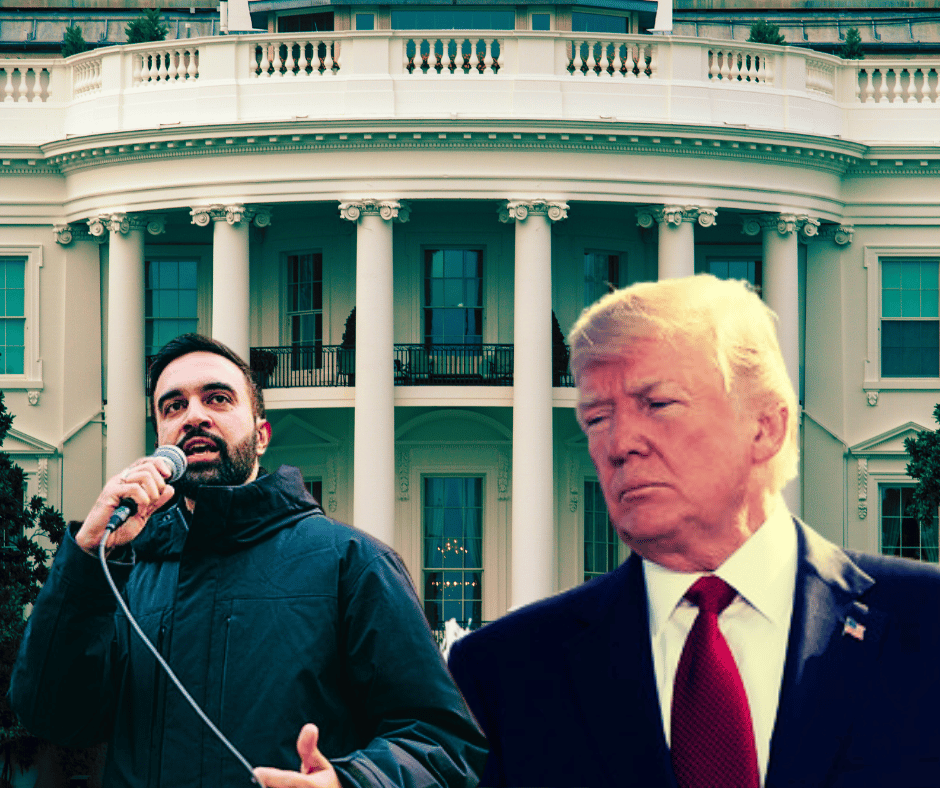
Feature Image: Created in Canva Pro


One thought on “JLR Investigates and the Evolution of Citizen Journalism”