Welp, here we go again. Another month, another No Kings protest. And it’s not like this is new. They’ve been doing this for a while now, rolling out nationwide protests that are already mapped out before most people even know what’s going on. Same setup, same coordination, just a different date on the calendar.
Almost 2 dozen protesters showed up at the Atlanta Airport to protest ICE agents being there
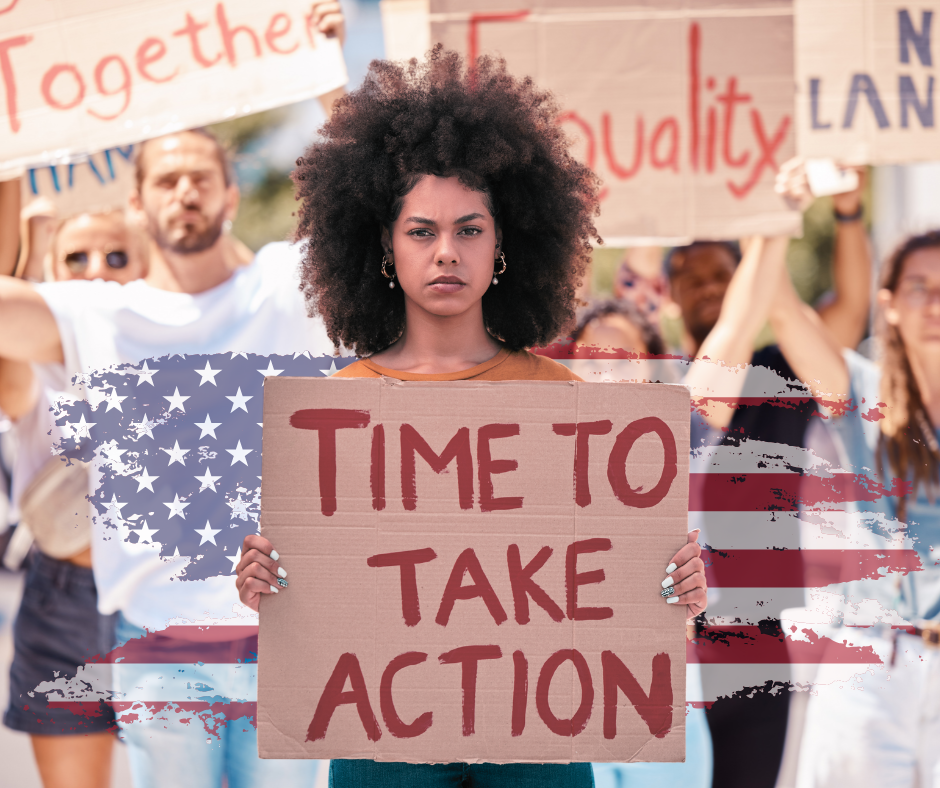
Did anyone else notice these signs are in the exact same format at every other nationwide protest Democrats have staged
It’s even the exact same font…
NGO paid and organized pic.twitter.com/sFxc7ANp0W
— Wall Street Apes (@WallStreetApes) March 24, 2026
At some point, this stops looking like a moment and starts looking like a system. It doesn’t take much to spot the pattern. Different issue, same rollout every time.
You don’t need to believe in “paid protesters” to see what’s going on here. There are paid organizers, funded groups, and full-time staff behind a lot of this. That’s not a secret. That’s how these movements operate. And once you have that kind of structure in place, you don’t need to scramble to pull people together. You already have the network, the messaging, and the plan ready to go.
Different Issue, Same Playbook
Cities across the country followed the same playbook during the BLM protests. Antifa-style protests brought the same look and the same tactics, no matter the location. College campuses now repeat the same chants and set up the same encampments from one school to the next. The immigration protests earlier this year followed that exact pattern too.
The issue changes, but the rollout doesn’t. The same signs show up, already printed and ready, while the same messaging spreads across cities at the same time. Even the “day of action” language pops up like it’s part of a schedule, with everything hitting at once across the country. That didn’t used to happen like this.
Protests used to build. Something would happen, people would react, and crowds would form, which made the whole thing feel messy, unpredictable, and real. That’s not what this looks like anymore. Now protests don’t build, they arrive, with a level of consistency that doesn’t happen by accident.
It takes networks that already exist, groups that know how to mobilize quickly, and messaging that’s ready to go before most people even catch up to the story. Structure alone explains it, and once that structure exists, it doesn’t disappear. It waits, then moves again when the next issue comes along, and that’s where this starts to feel different.
When It Starts To Feel Like Background Noise
You almost get the sense that for some people, this has become their go-to thing. Not something they step into when it matters, but something they’re always ready for, just waiting for the next headline to tell them where to show up.
Activism used to be something people stepped into. Now it looks like something people stay in. Some people organize, coordinate, and move from one issue to the next as part of what they do. It starts to feel less like a reaction and more like a routine.
And when everything looks like that, it loses its impact. The repetition takes over and it starts to fade into the background, like a commercial playing that nobody is really watching. People tune it out because it all feels familiar. And for others, it doesn’t just fade out, it starts to irritate, especially when it spills into their daily life and blocks their way to work or slows everything down. At that point, it’s not drawing people in. It’s pushing them away.
That’s the part nobody wants to say.
When protests run on a schedule, they stop feeling like moments. They start feeling like part of the routine. And once that happens, people stop taking them seriously, no matter what cause they’re tied to.
Because at that point, it doesn’t look organic. It looks like a system.
Feature Image: Created in Canva Pro