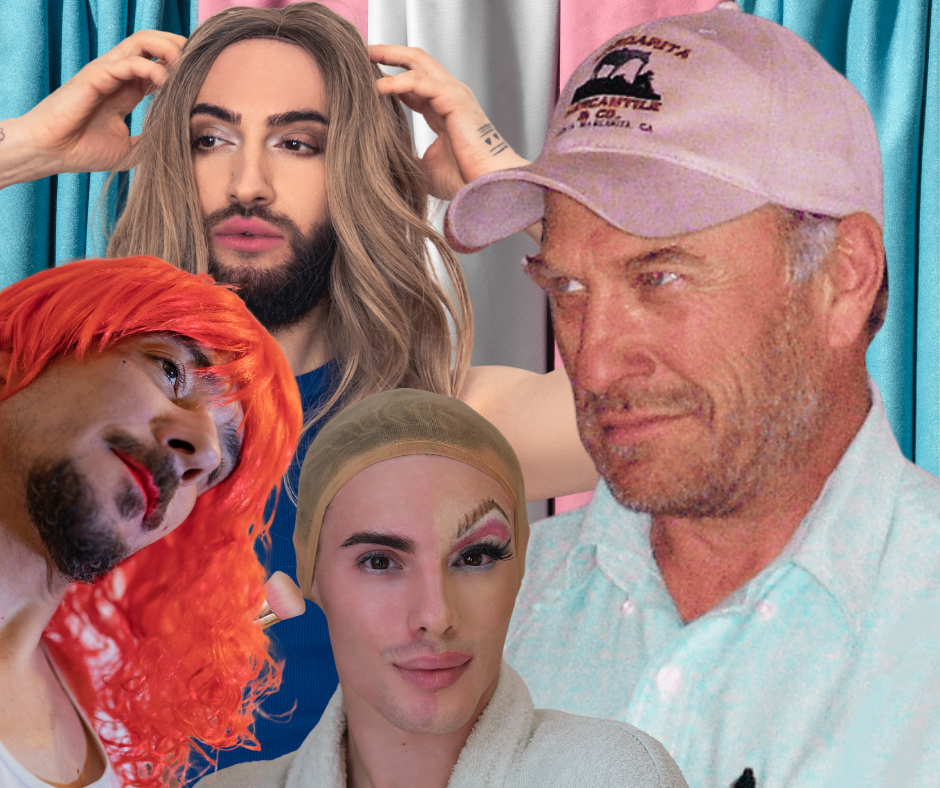
In 1991, The Silence of the Lambs swept the Oscars. Best Picture. Best Director. Best Actor. Best Actress. Best Screenplay. It became part of the cultural lexicon. Hannibal Lecter was crowned one of cinema’s greatest villains. Buffalo Bill became shorthand for cinematic creepiness.
No one left the theater confused about who the bad guy was.
Thirty-five years later, Ted Levine, the actor who played Buffalo Bill, says there is regret. Some lines did not age well. The film “vilified that,” he now says. It was “f***ing wrong.”
That is news in 2026. In 1991, it was called storytelling.

“There are certain aspects of the movie that don’t hold up too well,” Levine, who has never previously addressed pushback surrounding Buffalo Bill, tells The Hollywood Reporter. “We all know more, and I’m a lot wiser about transgender issues. There are some lines in that script and movie that are unfortunate.”
Levine did not have concerns while making the movie but has developed a fuller understanding of the trans experience in the ensuing decades. “[It’s] just over time and having gotten aware and worked with trans folks, and understanding a bit more about the culture and the reality of the meaning of gender,” says the actor, whose credits include the features Heat and The Fast and the Furious and the series Monk and Netflix’s forthcoming Something Very Bad Is Going to Happen. “It’s unfortunate that the film vilified that, and it’s fucking wrong. And you can quote me on that.” – Hollywood Reporter
What the Script Said Then — and What We’re Pretending It Says Now
Levine insists he did not play Buffalo Bill as gay or transgender. He says he portrayed him as a disturbed heterosexual man. That is also how the film presents him. Hannibal Lecter states outright that Bill is not a “real transsexual.” The script goes out of its way to separate pathology from identity.
So what exactly are we apologizing for?
Buffalo Bill is a fictional serial killer who skins women. He is unstable. Violent. Obsessive. He wants to become something he is not. The film does not treat him as a misunderstood social outcast. It treats him as a predator. That distinction mattered then.
Over time, the character has been reinterpreted through a modern lens. Some critics argue that the portrayal reinforced stereotypes about gender nonconformity. That concern may be sincere. But it requires ignoring what the film actually says. It requires collapsing nuance into symbolism.
In 1991, audiences understood that a villain can borrow traits without representing a community. Today, depiction is often treated as endorsement. Context becomes secondary. Intent becomes irrelevant.
And so we arrive at regret.
Whenever you hear the phrase ‘trans folks’, you know you’re about to hear a really dumb opinion. https://t.co/gvdkx9OU5U
Actor Ted Levine now thinks it was transphobic to portray his serial killer character Buffalo Bill in Silence of the Lambs as wanting to be a woman:
“Just…
— ♀️Jennifer Gingrich ✡️ (@fem_mb) February 15, 2026
Do Villains Need Sensitivity Readers Now?
Levine says he has learned more over the years. He has worked with transgender people. He has developed a broader understanding of gender issues. That is fine. People evolve. But evolution does not require retroactive condemnation of every past performance.
If a fictional psychopath from a thriller must now come with disclaimers, what exactly is safe to portray?
Are disturbed men off limits? Are identity-adjacent traits forbidden for villains? Must every script be filtered through 2026 politics before it can be remembered fondly?
If we are going to filter everything through the 2026 political lens, then let’s have a look at the uptick in violence committed by trans people. You cannot look away from that.
The Silence of the Lambs did not win awards because it was politically correct. It won because it was unsettling and forced viewers to sit with evil. It allowed women to be both vulnerable and powerful. Buffalo Bill did not diminish Clarice Starling. She defeated him.
That, too, seems to get lost in the revision.
When Reality Refuses to Cooperate
There is also an uncomfortable irony in all of this. Hollywood worries that a fictional villain from 1991 might reinforce stereotypes. Meanwhile, when real-world crimes involve perpetrators who identify as transgender, the public conversation often bends in the opposite direction.
Coverage becomes cautious. Language becomes guarded. Motives become abstract. The emphasis shifts from what happened to how it might be interpreted.
A fictional character from a thriller is being retroactively reinterpreted as harmful. At the same time, real events require careful narrative handling to avoid offending sensibilities. The contrast is hard to ignore.
Art is being scolded. Reality is being managed. That tension says more about 2026 than it does about 1991.
History Meets Present
The cultural shift is not really about Ted Levine. It reflects a broader instinct to revisit older art and measure it against present ideology. Ambiguity now makes people uneasy. If someone claims harm, the expectation is that someone else must confess fault.
There is something oddly ironic about apologizing for playing a character who was written as psychologically broken. Levine says he portrayed Buffalo Bill as a “f***ed-up heterosexual man.” That description is not controversial. It is accurate to the story.
In 2026, accuracy can feel impolite.
But wait, this was Ted eight years ago talking about doing research for the part.
So here we are. Thirty-five years after an Oscar sweep, a celebrated performance is reframed as regret. Not because the film changed. Not because new scenes were uncovered. Because the cultural mood shifted.
Villains used to be allowed to be monstrous without representing a demographic. They used to be permitted to be male, disturbed, and dangerous without triggering a symposium.
Now even fictional serial killers require sensitivity reviews.
Buffalo Bill was not transgender. The film says so. The actor says so. The script says so. The villain was a man who mutilated women.
That clarity once stood on its own.
It should not require an apology.
Feature Image: Kristin Dos Santos, CC0, via Wikimedia Commons


One thought on “Thirty-Five Years Later, Ted Levine Is Sorry for Being the Villain”