
It’s June 1, which means the annual race to see who can fit the most Pride programming into thirty days is officially underway. There are parades, festivals, concerts, museum exhibits, library events, workplace initiatives, ally campaigns, educational panels, and enough scheduled activities to make a county fair look underbooked. Some Pride organizers say corporate sponsorships are not as generous as they once were.
Maybe the rainbow marketing budget finally met the economy. Yet Pride Month remains one of the largest cultural events in America.
Which got me wondering: whatever happened to plain old June?
The Corporate Rainbow May Be Fading
One of the more interesting stories heading into this year’s Pride Month involves money.
Several Pride organizations have reported softer corporate sponsorships than they enjoyed during the height of the corporate rainbow years. For a while, June felt like a competition among major brands to see who could wrap themselves in the most colors, issue the most statements, and prove the greatest commitment to whatever social cause was trending at the moment.
Now some of that enthusiasm appears to be cooling.

Pride celebrations across the country continue to lose out on large sponsorships as corporations, a key source of funding, shrink their affiliation with diversity causes and LGBTQ+ events.
Corporate sponsorships of celebrations in several cities, including New York City, Salt Lake City, Louisville, St. Louis, Orlando, and Pittsburgh are down from previous years, organizers said.
Jordan Braxton, co-president of the United States Association of Prides, which supports Pride celebrations nationwide, said that while some smaller Prides have seen a growth in sponsorships, a majority have seen a reduction.
She said the Trump administration’s dismantling of Diversity, Equity and Inclusion initiatives, has scared corporations away from sponsoring Pride celebrations. “I think that’s why some of the corporations have pulled back, because they don’t want that government scrutiny,” she said. – NPR News
Maybe this is a real shift. Maybe it’s just companies reading the political winds and adjusting accordingly. Either way, the sponsorship story made me realize something. Pride Month has grown so large that it no longer depends on corporate logos to dominate the calendar.
Pride Month Has Become An Institution
If corporations are becoming less eager to make Pride part of their public identity, what does that mean for a month that has become deeply woven into American culture?
Apparently, not enough to slow it down.
A quick look at Pride Month programming reveals a calendar packed with festivals, parades, concerts, film screenings, museum exhibits, library events, educational programs, community gatherings, and advocacy efforts. Pride Month no longer operates on the cultural sidelines. It occupies a prominent place in American life and has become a fixture in many of the nation’s largest institutions.
That growth is one reason the corporate sponsorship debate feels somewhat beside the point. Even if some companies are stepping back, Pride Month has expanded far beyond corporate marketing campaigns. The events continue. The organizations continue. The programming continues.
In many ways, Pride Month has become an institution unto itself. From major cities to small towns, Pride Month has become so common that finding a community without some sort of Pride event now feels like the exception rather than the rule.
Then There Is The Workplace
The workplace may be where that institutional growth becomes most visible.
I recently came across a guide encouraging employers to celebrate Pride Month through pronoun campaigns, ally statements, Pride-themed swag, Zoom backgrounds, social-media initiatives, trivia contests, drag-themed events, employee panels, volunteer activities, and a variety of other workplace programs.
Why is it important to celebrate Pride in the workplace?
Pride celebrations attract millions of participants each year as queer communities and allies honor the queer identity through parades, workshops, parties, picnics, lectures, concerts, and more.You don’t have to identify as LGBTQ+ to participate—Pride is for everyone, even if you’re straight, questioning, or exploring your identity.
By celebrating Pride at work, you’re creating an environment where everyone feels seen, valued, and respected. Inclusive practices like this affirm the identities of LGBTQ+ employees and demonstrate allyship, ultimately enhancing the sense of belonging across the organization. – WorkTango
This is where I get off the bus.
Why can’t these grievance groups understand that most Americans are sick to death of being saturated with their perversion and fetishes?
Treating coworkers with respect is one thing. Turning the workplace into a celebration of everyone’s sexual identity is something else entirely.
Maybe I’m old-fashioned, but I don’t need to know what my coworkers do in their bedrooms, and I certainly don’t need HR organizing trivia nights, ally campaigns, pronoun drives, or workplace celebrations around it. At some point, we stopped asking employees what they do and started asking them who they sleep with.
The modern workplace has become strangely obsessed with information that previous generations considered private. I was hired to do a job, not participate in a month-long discussion about sexual identity.
Respect should be the expectation. Professionalism should be the expectation. Basic human decency should be the expectation.
The celebration part is where many Americans start scratching their heads.
If an employee is good at accounting, engineering, sales, management, or customer service, that’s worth recognizing. If they’re hardworking, dependable, and contribute to the success of the organization, that’s worth celebrating too.
What I still cannot figure out is why any employer needs to celebrate what consenting adults do in their private lives.
The Calendar Is Starting To Feel Like A Marketing Department
The more I looked at these stories, the more I realized they all point toward the same thing.
- The sponsorship story.
- The festivals.
- The museum exhibits.
- The workplace initiatives.
- The community programs.
- The educational campaigns.
Each one reflects the same broader trend. Modern America has become increasingly organized around identities, causes, observances, awareness campaigns, and institutional programming.
Pride Month happens to be one of the biggest examples, but it is hardly the only one.
Every month arrives with a new set of themes, causes, initiatives, hashtags, awareness campaigns, and cultural expectations. Americans are constantly encouraged to participate, engage, celebrate, learn, affirm, recognize, support, and advocate.
I’d Like June Back
Maybe that’s why I keep thinking about summer.
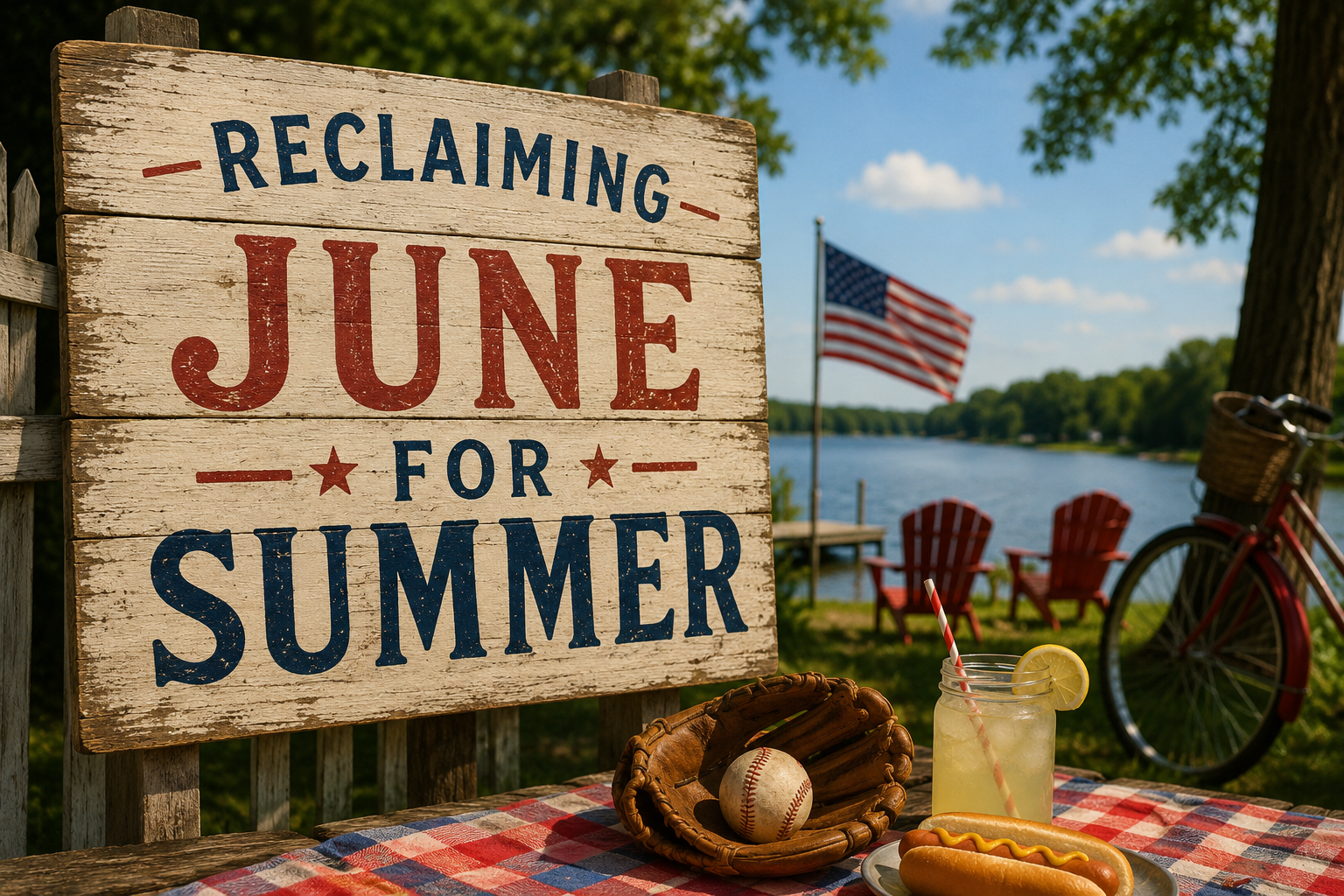
I remember when June meant baseball gloves, cookouts, swimming pools, fishing trips, family vacations, fireflies, and evenings that seemed to last forever. Summer never required a toolkit, a webinar, an ally statement, or a corporate sponsorship package. It simply arrived and got on with the business of being summer.
To be clear, I’m not arguing that people should stop celebrating what matters to them. People are free to attend whatever events they enjoy and support whatever causes they believe in.
What I miss is the space that ordinary life used to occupy.
The older I get, the more I appreciate the simple things. Family gatherings. Backyard barbecues. A baseball game on the radio. A quiet evening on the back patio. The unofficial beginning of summer.
Those things may not come with a marketing campaign, but they still seem worth celebrating.
So while much of the country spends June participating in yet another month-long cultural observance, I’ll be spending mine enjoying the season that was here long before the campaigns arrived.
Maybe that’s old-fashioned. But baseball, cookouts, and summer evenings never asked me to update my email signature.
Feature Image: AI-generated illustration.


